
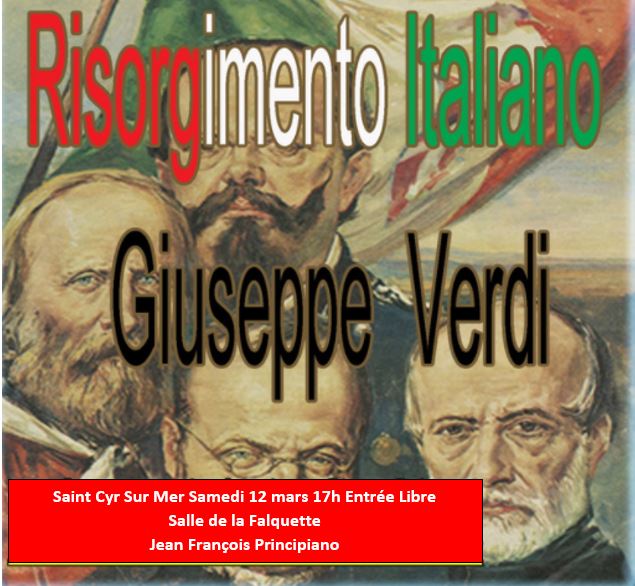
Most people associate opera with grand costumes, soaring arias, and dramatic love stories. But that is just one part of the Opera purpose: in Italy, opera has never been just about entertainment—it’s been a powerful voice in the country’s political history. It played an incredibly powerful role in shaping Italian political history—far beyond its reputation as mere entertainment.
Long before Italy became a unified nation in 1861, Italy was a patchwork of kingdoms and duchies, each with its own rulers and borders, but across this fragmented landscape, opera was a common thread, a tool to stitch together a shared identity, one note at a time.
How? Theaters from La Scala Milan to San Carlo in Naples staged the same works, sung in the same language: Italian.
In this way, opera also helped standardize and elevate the Italian language, reaching audiences from aristocrats to artisans.
Verdi
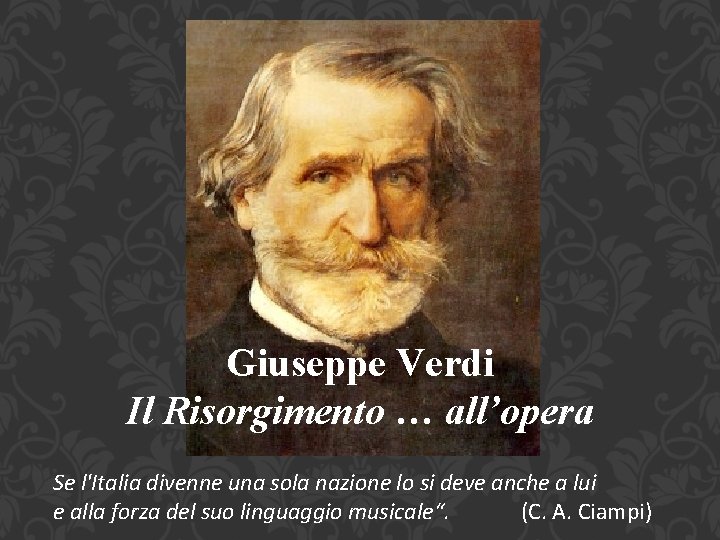
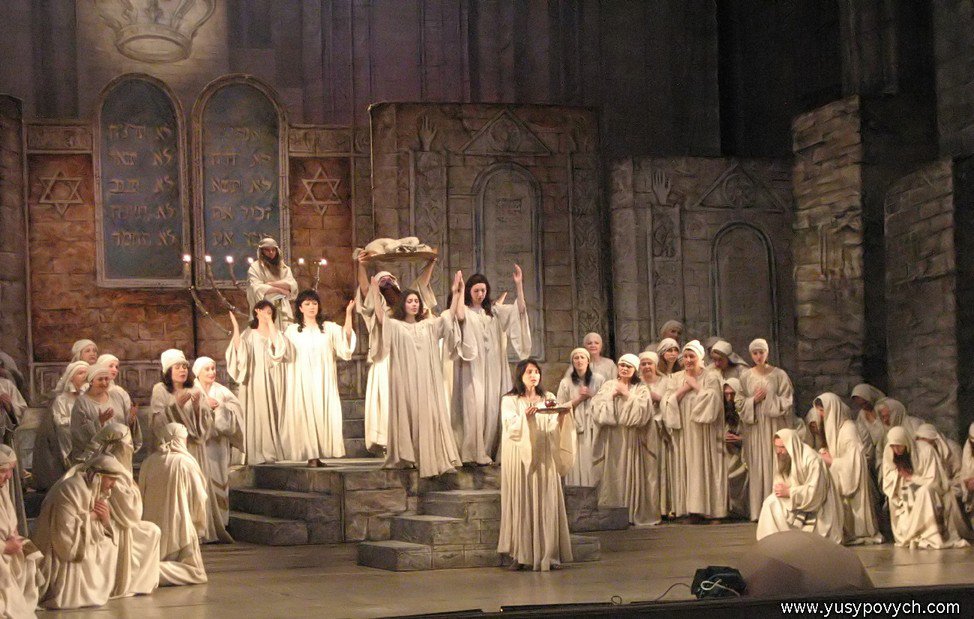
One composer in particular embodies the political power of opera: Giuseppe Verdi. The Nabucco struck a chord with Italians yearning for freedom and unity. The famous chorus “Va, pensiero” (“Fly, my thoughts”) became the unofficial anthem of the Risorgimento, Italy’s movement for unification.
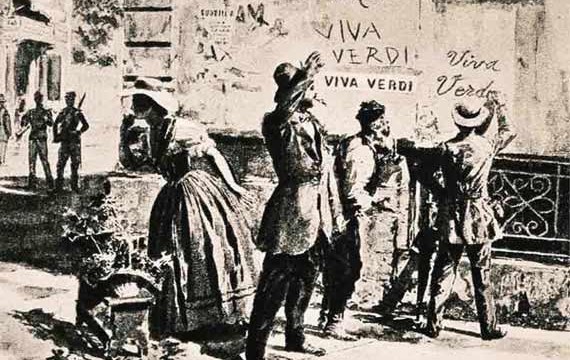
At the theater, audiences didn’t merely applaud; they wept, rallied, and sang along. Verdi’s name itself became a political slogan: Viva VERDI!, scrawled on the walls, was code for Viva Vittorio Emanuele Re D’Italia (Long live Victor Emmanuel, King of Italy). Victor Emmanuel was part of the Savoie royal family that was established in Turin.
Opera houses became political arenas, with nobles seated in private boxes, merchants in the stalls, and workers in the galleries; all gathered under one roof. At that time, few had the right to vote, but opera was the voice of the people. Performances often sparked public debate, patriotic fervor, and even protests.
Opera’s influence didn’t go unnoticed by the authorities. Censors kept a close eye on librettos, fearing revolutionary messages. But Verdi and other composers were masters of disguise. They set their stories in ancient Babylon or medieval Spain, using historical allegory to comment on contemporary struggles. The audience understood the subtext—and the message rang loud and clear.
Today when you enjoy opera, remember that its beauty and bravery help to shape Italy as a nation! To watch the opera is not just to hear a soaring aria or see dramatic love stories, but also to witness a tradition that once moved mountains.
Please contact me for Free 20-minute Italian Consultation
4 replies on “Opera and Italian Politics: When Music Moved a Nation”
Ciao a tutti
Molto molto interessante, articolo.
Io penso, “OPERA È LA VOCE gli OPRESSI.
Ciao~~
Grazie :))
Brava
Thank you :))