
What is a food desert?
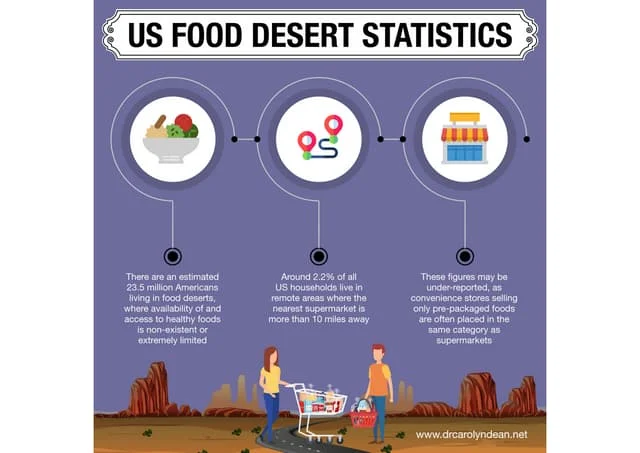
A food desert is an area with limited access to fresh, affordable, and nutritious food. It’s a serious challenge to health and well-being, especially in the United States, where processed and fast food often dominate. But in Italy, the concept of a food desert is almost foreign. Why? Because food here isn’t just a commodity, it’s a way of life.
I grew up in a small Alpine village, and every Monday, our local market would bloom with fresh produce and cheese, the pride of Valle d’Aosta. Even in remote areas, fresh food was always within reach.
In Italy, food shopping is a daily ritual. Unlike the bulk-buying habits of large supermarkets, Italians visit their neighborhood market. There are still small, family-run shops woven into the rhythm of everyday life, and they offer seasonal ingredients and personal relationships.
This decentralized system means that even small towns and urban corners have access to fresh food, often without needing a car or an amount of cash (Yes, cash is still king in Italy!)
Countries that are facing food insecurity can draw inspiration from Italy’s model by investing in local food infrastructures like: creating small grocers and farmers’ markets, hosting weekend food festivals and wine tastings, and encouraging habits that prioritize fresh, seasonal food.
Italy has a deep connection to the land, and this is reflected in its cuisine. Each region celebrates its own specialties: Ligurian basil, Sicilian citrus, Tuscan beans, and seasonal eating is the norm. As a child, I eagerly awaited the arrival of summer peaches and apricots, as well as autumn’s grapes and apples. The closeness to agriculture helps prevent food deserts. Even in rural areas, people grow their own herbs, vegetables, and fruit.
Encouraging seasonal eating, supporting community gardens, and celebrating regional food diversity instead of relying on mass-produced options can be a good solution to avoid desert food.
Italian families usually cook. Recipes are passed down, meals are shared, and food is treated as a source of joy and connection. This cultural emphasis on home cooking reduces dependence on processed or fast food and fosters food literacy. People know how to prepare nourishing meals—even on a budget.

It is important to promote food education and cooking skills. Integrate meal preparation into schools, community centers, and public health programs. Empower people to cook with confidence and creativity.
Italian towns and cities are designed for walking. This walkable lifestyle makes food more accessible, especially for those without cars (if any!)
A good solution is to design communities where fresh food is within reach. It’s important to prioritize pedestrian-friendly planning and place food sources near homes, schools, and transit hubs.
Italy’s food system isn’t perfect, but its cultural foundation offers a resilient model. Food is local, seasonal, social, and joyful. It’s about nutrition and connection.
For countries facing food deserts, Italy is reminding that solutions aren’t only logistical, but also they’re cultural. By valuing food as a shared experience, supporting small producers, and teaching people to cook and care, we can build communities where everyone eats well.
Please contact me for Free 20-minute Italian Consultation
9 replies on “ Italy’s Food Culture: A Natural Defense Against Food Deserts”
Brava, Lea! Grazie per averlo condiviso con me.
Grazie mille! You inspired me! :)))
Thank you for this beautiful explanation of the Italian food cultural. It’s difficult to explain to those who don’t understand the Italian’s appreciation of good food.
Thank you very much :)))
Chibo
Right up my alley Lea!
Grazie
Grazie :))))))))))))))
Hi Lea, I enjoyed your blog and totally agree with the content. Would love to visit Valle d’Aosta which sounds beautiful and charming!
One thing I thought I should let you know: the spelling of “desert” is actually “dessert”. And the word “desert” means: a waterless, desolate area of land with little or no vegetation, typically covered with sand.
While “dessert” means: the sweet course eaten at the end of a meal.
Thank you, Lea!
You are very welcome!