
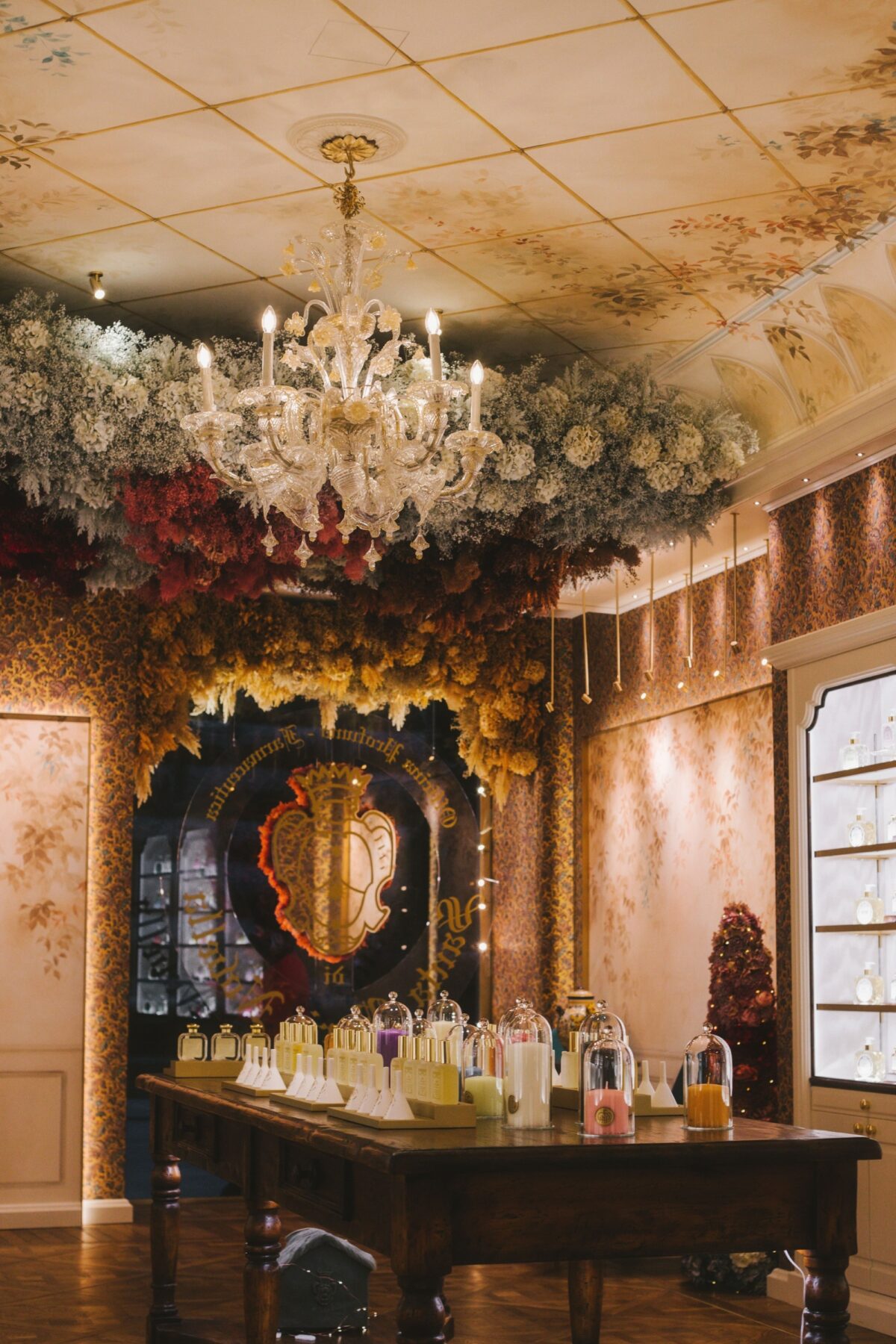
The History of the Officina Profumo‑Farmaceutica di Santa Maria Novella
We are in Florence, just a few steps from the train station and the famous Dominican basilica. Here stands the Officina Profumo‑Farmaceutica di Santa Maria Novella, considered the oldest pharmacy in Italy and one of the oldest in the world still in operation. Its history spans eight centuries of science, art, herbal tradition, and craftsmanship.
It all began in 1221 AD, when the Dominican friars settled in the area where today stands the Basilica of Santa Maria Novella, commissioned by the Florentine Rucellai family and designed by Renaissance architect Leon Battista Alberti. The friars began cultivating medicinal herbs to prepare ointments, balms, herbal teas, and natural remedies for the monastic community and for pilgrims; a simple herbal workshop that, over the centuries, would become an international point of reference.
The friars developed extraordinary skills in distillation, herb preservation, and the preparation of medicines, blending science and spirituality in their creations. Their recipes were passed down from generation to generation, preserved in manuscripts and recipe books that today represent an invaluable historical heritage.
Among the oldest preparations we find Aceto dei Sette Ladri, used as a disinfectant—the name means “Vinegar of the Seven Thieves,” a piece of history in itself—Rose Water, a tonic and universal remedy, and Melissa Water, a natural calming elixir
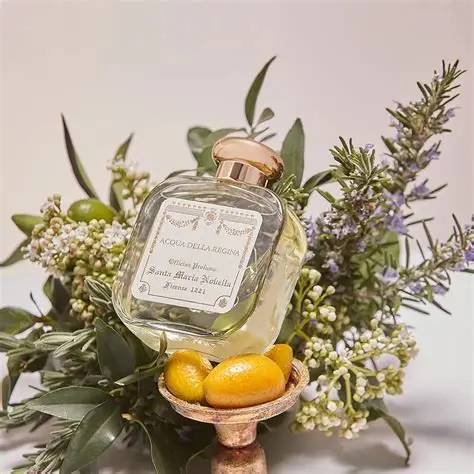
The success of the friars’ preparations grew so much that, in 1612, the Officina officially opened its doors to the public. The pharmacy became a meeting place for scientists, nobility, and travelers from all over Europe, and it is here that one of the most famous fragrances in history was born: “Acqua della Regina,” created for Catherine de’ Medici, who brought it with her to the French court as a wedding gift to her future husband, Henry II.
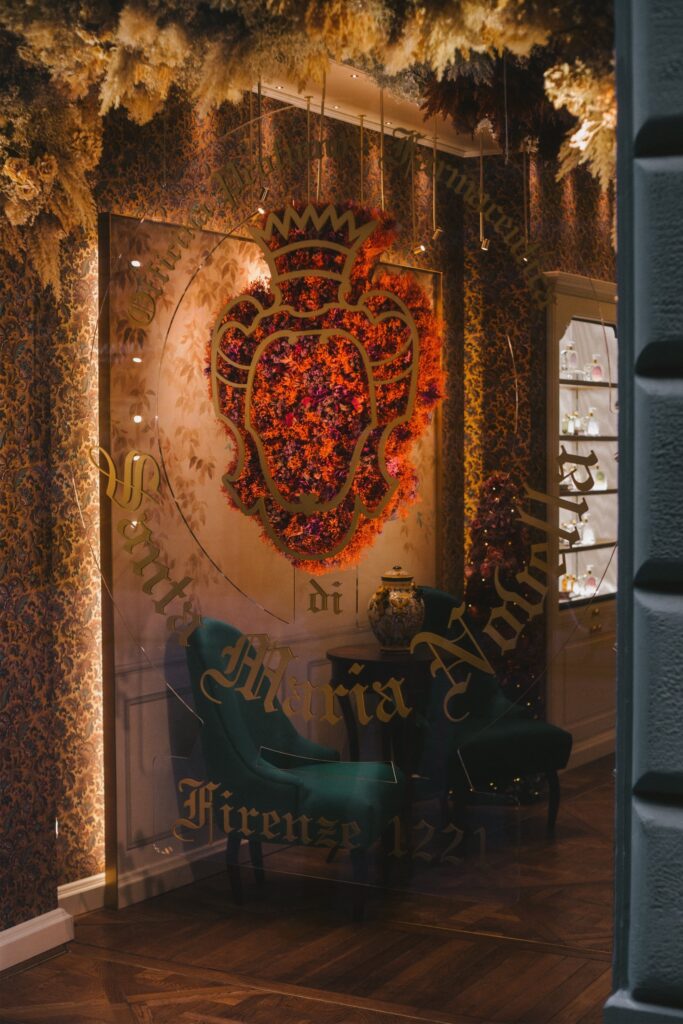
When you enter the Officina, you walk through centuries of history: 19th‑century frescoes, carved wooden furniture, ancient ceramic jars, and original distillation instruments. Every room tells a story. The Green Room, the Sales Room, the Ancient Apothecary, the Garden of Simples — visiting the Officina means immersing yourself in a living museum.
Today, the Officina Profumo‑Farmaceutica di Santa Maria Novella continues to produce perfumes, soaps, candles, herbal teas, natural cosmetics, and many other products that still follow the friars’ original recipes, sometimes adapted to contemporary techniques. When nature, science, and art come together, the result is beauty.
Santa Maria Novella is not just a pharmacy. It is a symbol of Italian culture: care as an art form, tradition as innovation, beauty as a heritage to preserve.
I know it is not usually marked on tourist maps, but it is another facet of Italian culture and beauty that must be explored to truly understand Italy.
6 replies on “Florence’s Fragrant Hidden Treasure”
This is a wonderful story! I really enjoyed it.
Thank you :)))))
It’s great to see how you narrate about Italy and its culture. Such an important aspect that is more often than not, overlooked or simply not shared and made known.
You are right! Thank you!
I enjoyed reading about both past and present of Santa Maria Novella in Florence, Italy. It was a fascinating story. Thanks for sharing!!! 🙂
Thank you, Lea:))))