
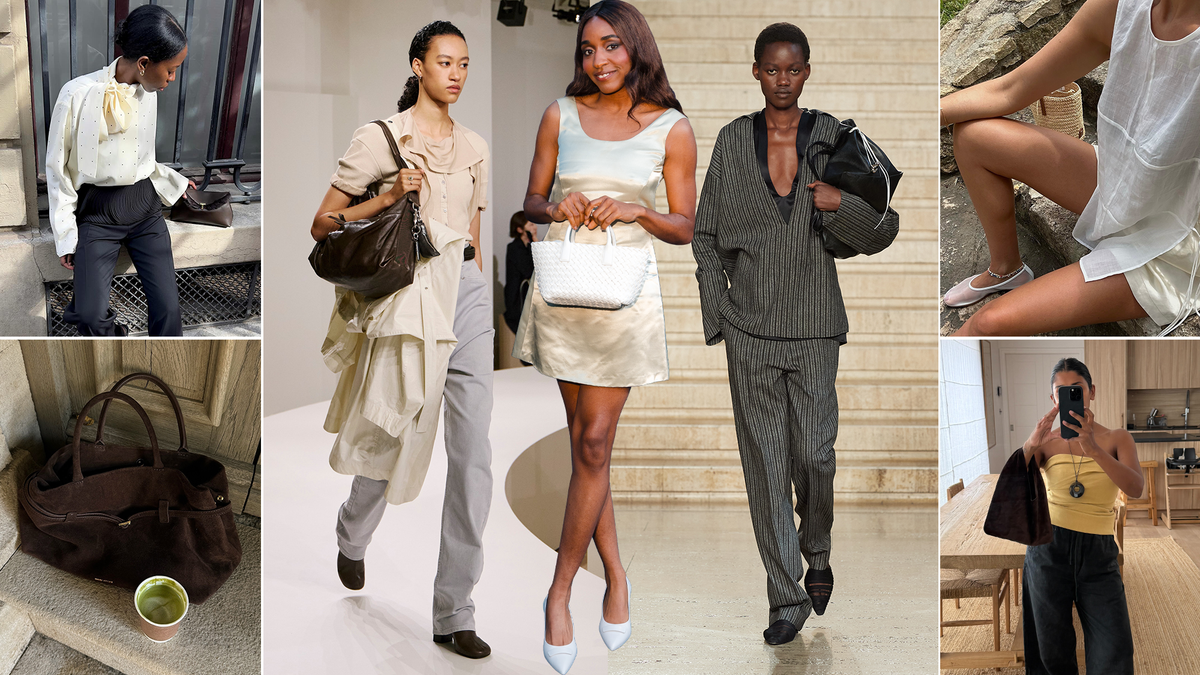
I love fashion—especially the kind that celebrates freedom of movement, like the work of Yohji Yamamoto, the Japanese designer known for not creating clothes “to please men,” and Coco Chanel, who liberated women from the rigidity of corsets, bulky dresses, and excessive decoration.
Therefore, as an independent lady, I chose independent fashion as an introduction to the world of style because it is not just a way of dressing: it is a way of thinking. It is for those who seek authenticity, environmental respect, quality, and a story to wear.
My mother was a seamstress with a capital “S.” She created high‑quality garments and worked almost exclusively with fine fabrics such as cotton, silk, and wool. That is where I learned to understand and respect different textiles, color combinations, fabric pairings (thanks also to my Art teacher), and the beauty of mixing various materials together.
Independent fashion (often shortened to “indie fashion”) refers to clothing, accessories, and footwear created by designers and brands that operate completely outside the corporate structure of mass-market fast fashion conglomerates.
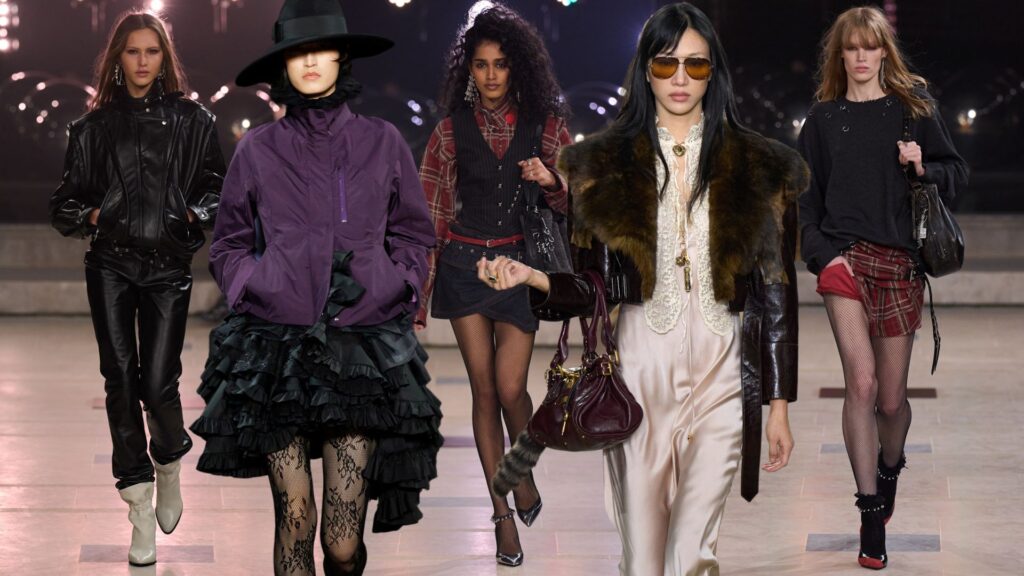
The fashion world is dominated by big brands that focus on drawing attention to the body—female and male—and on fast, low‑quality products. Independent fashion, instead, lives outside traditional commercial circuits and is created by designers who do not have to answer to investors or large companies. It is difficult sometimes, but it is rewarding because you can unchain your skill of creation through experiment with fabrics, recycled fibers, new shapes, and bold colors.
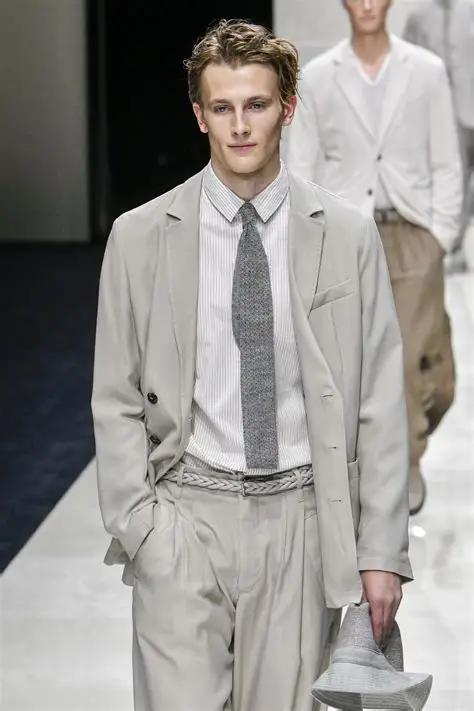
Interesting examples are the South Korean fashion designer Jiyong Kim (founder of the label JiyongKim). Instead of using chemical dyes or traditional printing methods, he leaves his fabrics and materials outdoors—exposed to the sun, wind, and rain—for months at a time, or Giorgio Armani, who turned the exploration of ‘distressed’ fabrics into an art form.
Italy has a long tradition of the bottega (plural: botteghe) that is the absolute backbone of Italy’s cultural, artistic, and economic history. Bottega comes from the Latin apotheca (meaning storehouse or warehouse) and in Italy, the meaning evolved into something much more complex: a hybrid space that was simultaneously a workshop, a retail store, a school, and a home.
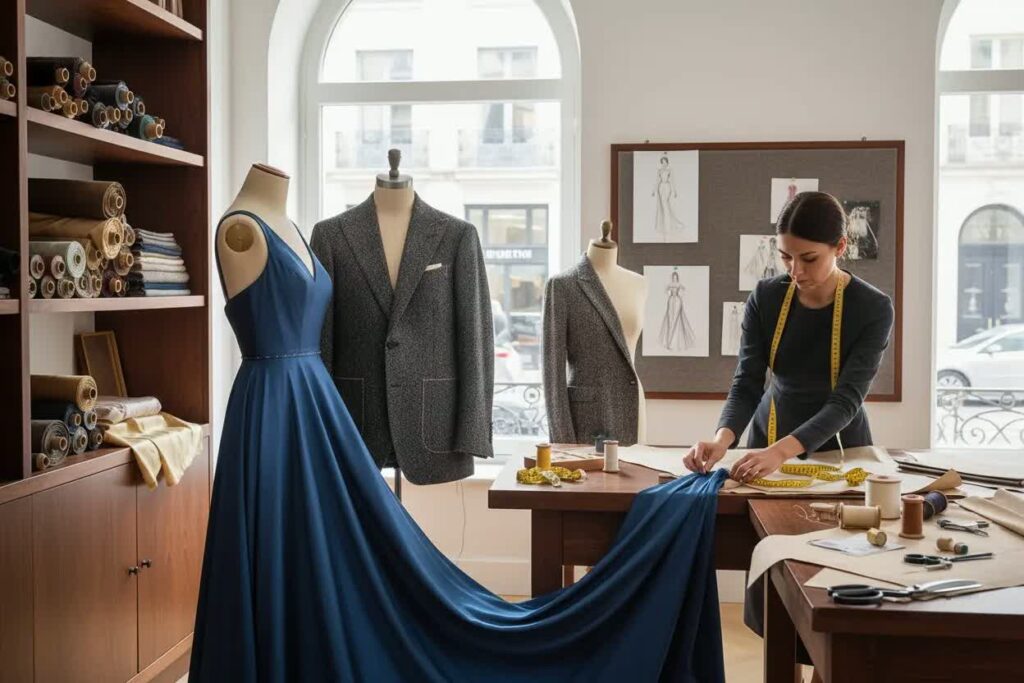
The work of an artisan like my mother is often in limited quantities and uses artisanal techniques. Each piece has a recognizable identity. Production is ethical (zero waste), dyeing and washing processes have a low environmental impact, and materials are sustainable. In other words, it is a manifesto of style, a demonstration of the Italian Spirit.
When we talk about independent fashion, we affirm craftsmanship and quality—values that are typically Italian—because many independent brands collaborate with local workshops or artisans and create handmade garments with carefully curated details and selected materials like leather, available in Florence at Ponte Vecchio, or jewelry in Veneto.
When you wear a piece of independent fashion, you wear a piece of history and show respect to the planet and the people who made it. Your garment tells a story, and you become the narrator.
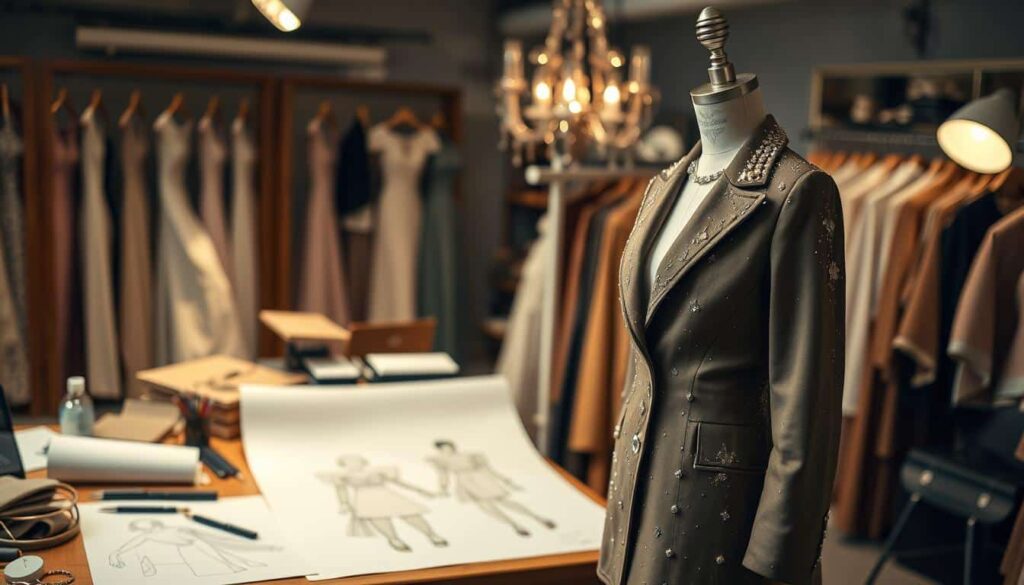
To begin exploring independent fashion, visit artisan markets, discover small local brands, and choose pieces that speak to you—not to trends. Let your choices reflect your freedom, your colors, your shapes, and the style that represents who you are.
So, here is another small piece of the Italian Spirit. It is like a puzzle: You put all the small pieces together and you discover Italy and its Italian Spirit.
17 replies on “What is “Independent Fashion”?”
Fantastic! This is really cool, a fresh view of a well established agreed upon industry. Brilliant! Bravo Lea 🩵🎊🎉
A Fresh view of a well established agreed upon industry. Brilliant! Bravo Lea 🩵🎊🎉
Thanks 🙂
A Fresh view of a well established agreed upon industry. Brilliant! 🩵🎊🎉
Thanks:)))
Great! And well written, I was interested and read all the way through, which says a lot because fashion never interested me as a subject–much. Love your blog, Lea!
Thank you very much :)))
I can see your personal sense of style here. Bravo!
Grazie Anne, looking for you next fall-winter :)))
Wonderful article! Covers a lot without being dispersed… Gave great insight into Italian fashion.
Thank you :)))
Nice introduction to the tradition behind those iconic brands that stood the test of time and continue to make an impactful statement
Thank you, Erik :)))
Cara Professoressa Lea,
Molto Grazie for sharing your delightful article on Independent Fashion. My wife Robyn, and our two adult daughters, always dress for comfort and follow their OWN tastes.
Robyn and I were careful NOT to look like Americans during our cruise to Barcelona, Ibiza, Corsica, Portofino, and Rome. Sandals instead of “sneakers”; no baseball caps! And plenty of cool linen.
I also enjoyed the history of the bottega.
Grazie! I am enjoying the Italian spirit.com.
Buona notte,
Ricardo Hubbard
Thank you very much for your comment and well done for your cruise! :))))
Italian independent fashion has always been the best! You have just made a good observation, I truly appreciate it. Unique, yet fashionable garments are the staple of the Italian runways and, the Italian culture. I miss that part a lot.
Thank you :)))